If you live in Rainham, Hornchurch, or anywhere across East London, you’ve probably noticed that “national average” prices you find on big DIY websites never quite match what we actually pay here. Between the higher cost of local trade labor and the specific style of our homes—from Victorian terraces in Stratford to modern extensions in Rainham—pricing is local.
In 2026, electric blinds have moved from being a “cool gadget” to a standard feature for privacy, security, and energy saving. But what does it actually cost to get them on your windows today?
At HomeDecisions Blinds & Curtains, we believe in being 100% transparent. Here is your no-nonsense guide to what you’ll likely spend this year.ar, consider this your complete, no-nonsense pricing resource from your trusted local expert. Let’s get into the specifics.
What Electric Blinds Really Cost in East London
Based on current 2026 market rates in the Havering and East London area, the total cost for a professionally installed electric blind typically falls between £325 and £850 per window.
While you can find cheaper DIY kits online, those prices don’t include the “East London Factor”: expert fitting on often-unlevel older window frames and the programming of modern smart-home hubs.
2026 Local Price Snapshot:
| Window Type | Est. Total Cost (Fitted) | Best Power Option |
| Small Bedroom/Bathroom | £325 – £450 | Battery (Internal) |
| Standard Living Room | £450 – £650 | Battery or Hardwired |
| Large Bi-folds/Patio Doors | £700 – £950+ | Hardwired (Mains) |
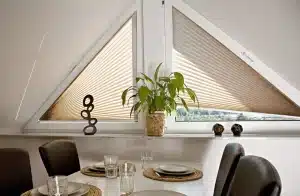
| Skylight / Lantern | £550 – £800 | Solar-Rechargeable |
What Drives the Price in 2026?
1. The Power Source (Battery vs. Hardwired)
This is the biggest decision you’ll make.
- Battery-Powered (£): These are the go-to for most Rainham retrofits. Modern 2026 motors are incredibly quiet and only need a USB-C charge once every 12–18 months. Since there’s no wiring, you save about £100–£150 per window on labor.
- Hardwired (££): If you are doing an extension or a full renovation in East London, go hardwired. You’ll need a qualified sparky to run the cables. Expect to pay an extra £120 per point for the electrical work, but you’ll never have to charge a battery again.
2. The “Smart” Factor
In 2026, most East London homeowners want their blinds to work with Alexa, Google Home, or Apple HomeKit.
- Basic Remote: Included in the price.
- Smart Hub Setup: A one-off cost of £50–£120 for the bridge/hub that connects all your blinds to your Wi-Fi.
3. Fabric & Thermal Tech
With energy prices remaining a concern, Thermal Blackout fabrics have become our #1 seller in Rainham. These add about £40–£70 to the cost per blind but can reduce heat loss through windows by up to 15%

2026 Price Breakdown: Where Your Money Goes
If you are budgeting for Electric Roller Blinds in Rainham or the surrounding East London area, it’s vital to see the “line items” on your quote. In 2026, raw material costs and advanced motor technology have shifted the pricing landscape.
As local installers, we don’t just “fit” a blind; we engineer a solution for your window. Here is the transparent breakdown of the components that make up your final bill.
1. The Blind & Fabric: £240 – £550
The “skin” of your blind is your first major cost. In 2026, we’ve seen a massive shift toward high-performance fabrics.
- Standard Rollers: At the lower end, you’ll find durable, high-quality polyesters.
- Thermal & Blackout: Essential for East London’s varied housing stock, these fabrics add roughly 15% to the base cost but pay for themselves in energy savings.
- Specialty Weaves: If you are looking at Electric Curtains or premium sheer fabrics for bi-folds, prices sit at the higher end due to the sheer volume of material and custom tailoring required.
2. The Motor System (The “Engine”): £0 – £225
While some “off-the-shelf” blinds include a generic motor, we prioritize reliability. In 2026, the industry has standardized on two paths:
- Standard Integrated Motors: Often included in the base price of the blind. Best for small, infrequently used windows.
- Premium Ultra-Quiet Motors (e.g., Somfy or Louvolite OneTouch): These add £90 – £225 per window.
- Expert Advice: We recommend premium motors for bedrooms. There is a measurable difference in decibel levels; cheaper motors often have a “whine” that can be disruptive at night. For high-use areas like Day & Night Electric Blinds, a high-torque motor is a must for longevity.
3. Professional Labour & Fitting: £85 – £175
Installation in East London properties—from thick-walled Victorian terraces to new-build apartments—requires specific expertise. Labour isn’t just about turning a screwdriver; it’s about:
- Structural Assessment: Ensuring the lintel can support the weight of motorised Cassette Electric Blinds.
- Precision Levelling: Electric blinds are sensitive. If they are even 2mm off-level, the fabric will “telescope” (veer to the side), eventually fraying the edges and burning out the motor.
- Local Advantage: By using a Rainham-based team like HomeDecisions, you aren’t paying for a technician to sit in 2 hours of central London traffic, which keeps our labour rates more competitive than city-wide contractors.
4. Programming & “Matter” Integration: £0 – £60
In 2026, the Matter smart-home protocol is the new standard.
- Basic Setup: If you just want a remote, this is free.
- Smart Integration: Connecting your blinds to Alexa, Google Home, or Apple HomeKit typically costs £30 – £60 for the hub setup and app calibration. We ensure your Lantern Blinds or roof lights are programmed to close automatically when the sun is at its peak—saving your furniture from UV damage.
The Final Tally: What is the Total?
When you combine materials, the motor, expert labour, and smart setup, a typical 2026 professional installation in East London ranges from £325 to £850 per window.
Pro-Trust Tip: Always check if your quote includes a Warranty on both the motor AND the installation. Many online retailers only warrant the motor, leaving you stuck with the bill if the fitting fails. At HomeDecisions, we back our East London craftsmanship with a full local guarantee.

How Window Size Impacts the Cost to Install Electric Blinds
One of the biggest factors affecting the cost of electric blinds is window size. Larger windows need more fabric, stronger motors, and sometimes additional hardware, which naturally increases the price. Here’s a quick guide based on typical national averages:
| Window Size (Width x Height) | Approx. Material & Basic Labour Cost (Estimate) | Installation Note |
| 24×36″ (Small) | $250–$450 (£200–£360) | Simple fitting; minimal motor strain. |
| 36×48″ (Medium) | $300–$550 (£240–£440) | Standard fit for most living areas and bedrooms. |
| 60×72″ (Large/Patio) | $400–$800 (£320–£640) | Requires heavy-duty motors, more substantial tracks/tubes, and often two fitters due to size and weight. |
Smaller windows are easier and cheaper to install, while bigger or unusually shaped windows—like sliding patio doors, lantern windows, or custom angled frames—require stronger motors, extra fittings, and sometimes bespoke fabrication, which can push costs higher.
For homeowners in Rainham and across East London, knowing your window sizes beforehand helps you budget accurately and choose the right motor and fabric combination for each space. Even a single oversized window can make a noticeable difference to the total cost, so planning is key.
Manual vs Electric Blinds: Is the Upgrade Worth It?
Choosing between manual and electric blinds often comes down to lifestyle, budget, and how much convenience you want in everyday life. Both options can look great—what really separates them is the experience.
Manual blinds sit on the affordable end of the spectrum. Most homes spend around £50–£120 for standard roller blinds, £90–£160 for blackout, and £120–£180 for premium materials or larger window sizes. They don’t need wiring, batteries, or specialist installation, which keeps your overall cost low. For small, easy-to-reach windows, they’re completely fine. The drawback? Large windows, high windows, and daily usage can make cords annoying, uneven, or simply impractical over time.
With electric blinds, the pricing varies more, but you’re also getting far more capability. A typical fully installed electric blind comes in at about £300–£450 for a battery-powered roller, £400–£600 for hardwired systems, and £650–£800+ for premium motors or wide-format blinds such as those used on bi-fold doors. Motor brand also plays a huge part:
- Entry-level motors: £80–£150
- Mid-range motors (Louvolite OneTouch): £150–£250
- Top-tier motors (Somfy): £250–£350+
Add installation (usually £80–£150 per blind, depending on wiring needs), and you get a clear picture of your total investment.
But here’s where electric blinds shine: you’re paying for comfort and control. With a remote, app, timer, or voice command, your blinds adjust effortlessly. They’re a game-changer for skylights, loft conversions, tall stairwell windows, or wide patio doors, where manual blinds simply struggle or can’t reach at all. Many homeowners also notice better insulation and a more polished finish, which adds long-term value.
So, is the upgrade worth it? For most modern homes, yes. While the upfront cost is higher, electric blinds offer a smoother daily experience, improved efficiency, safer operation (no cords), and a more premium look. If you’re upgrading several windows or planning long-term, the comfort and reliability often justify the investment far more than people expect.

How to Save Money When Installing Electric Blinds
Upgrading to electric blinds doesn’t have to stretch your budget. With a few smart choices, you can enjoy all the benefits of motorised blinds while keeping costs under control. Here’s how homeowners in Rainham and East London can make the most of their investment:
Buy Multiple Blinds at Once
If you’re planning to upgrade several windows, doing them together can significantly reduce your overall cost. Many installers offer bundle pricing, which can shave £20–£60 off each blind depending on the fabric, size, and motor type. It also reduces labour fees because the installer completes everything in a single visit instead of multiple trips. Whether it’s a living room, a full ground floor, or your entire home, grouping the project often leads to a much better price per window.
Choose Battery-Powered Blinds for Easier Installation
Battery-powered electric blinds are one of the simplest ways to save money. They don’t require any electrical wiring inside the walls, which means no need for an electrician—and no extra labour fees. The blinds are easy to fit, easy to operate, and still offer all the convenience of remote or smart-home control. For most standard windows, battery-powered motors perform just as well as wired systems, making them a cost-effective choice for quick upgrades or existing homes.
Pick Standard Fabrics Without Compromising Style
You can reduce your costs simply by choosing from standard or mid-range fabrics. These options still look modern and stylish but come at a much lower price compared to premium weaves or designer collections. Standard fabrics are available in a wide range of colours, patterns, and textures, so you won’t feel limited. They deliver excellent value, especially when you’re installing blinds across several rooms.
Install During Renovations for Cheaper Wiring
If you’re already renovating—whether it’s a loft conversion, extension, or a full home makeover—this is the perfect time to install electric blinds. When walls and ceilings are open, electricians can run cables quickly and with less effort, which reduces labour charges. This is especially useful if you prefer hardwired motors, which normally cost more due to wiring needs. Coordinating the blinds with other renovation work ensures you get a cleaner finish at a lower cost.
Use Local Professionals Instead of Large London Installers
Working with a local team is another smart way to keep installation costs down. Local installers like HomeDecisions Blinds & Curtains often charge less than bigger London-wide companies because they don’t carry the same overheads. They can also offer faster service, more flexible appointment times, and personalised advice based on typical Rainham and East London window types. You get better value, better communication, and high-quality fitting—all without the premium price tag.
Why East London Prices Differ from the Rest of the UK
If you’ve lived in Rainham or East London for more than five minutes, you know that “national averages” rarely apply here. In 2026, getting electric blinds fitted in an RM, IG, or E postcode costs more for three very practical reasons.
1. The Cost of Local Expertise
Skilled tradespeople in East London have higher overheads—from fuel and insurance to the simple cost of living. In 2026, a professional installer who actually knows how to handle the “wonky” walls in a Victorian terrace or the steel lintels in a new build will cost more than a general handyman. You aren’t just paying for the fitting; you’re paying for someone who won’t ruin your plasterwork.
2. Complex Windows and Architecture
East London isn’t “one size fits all.” We have a mix of massive modern bifold doors that need heavy-duty motors and older homes with tricky, deep-set windows. These aren’t “five-minute jobs.” They often require two-person teams, specialist brackets, and extra time to ensure the motor doesn’t burn out because the fabric was hung a fraction off-level.
3. High Demand for Smart Integration
Homeowners here are leading the way in smart-home tech. In 2026, people don’t just want a blind; they want a system that works with Alexa, Google Home, and the new Matter protocol. That takes extra time to program and test. Because demand for these high-tech setups is so high in the Havering area, specialist installers are in short supply, which naturally keeps local rates a bit higher.
Good News?: Since we’re based in Rainham, we don’t charge the “Central London” travel fees that the big city-wide firms do. You get the high-end expertise without the unnecessary “travel tax.”
Common Local Search Queries (and Answers!)
Q: How much does electric blind installation cost near me?
A: Typically £300–£800 per window, depending on size, motor type, fabric, and installation complexity.
Q: Why is there such a wide range in electric blind costs?
A: Costs vary based on window size, blind material, motor type, installation difficulty, and optional extras like smart-home integration.
Q: What’s a realistic budget for a standard-size window?
A: Around £250–£450 for a regular window with a simple battery-powered blind.
Q: How much more do large windows or skylights cost?
A: Large or custom windows usually range from £500–£800+, due to stronger motors, extra fabric, or custom fitting.
Q: Are battery-powered or hardwired blinds cheaper?
A: Battery-powered blinds are generally cheaper (£280–£520), while hardwired blinds cost more (£400–£800) but provide permanent power and a cleaner finish.
Q: Do electric blinds add real value beyond convenience?
A: Yes. They improve light control, privacy, insulation, and make tall or hard-to-reach windows much easier to use.
Q: What should I check when getting quotes from installers?
A: Confirm window sizes, blind type, motor brand, power type, installation complexity, smart-home setup, and warranty/aftercare.
Q: Is labour more expensive in Rainham or East London?
A: Labour rates in London and surrounding areas are slightly higher than the national average due to demand and accessibility.
Q: Can smart-home integration increase cost?
A: Usually a small extra fee (£25–£50), depending on the number of blinds and the system setup.
Q: How do I avoid overpaying for electric blinds?
A: Compare multiple quotes, check materials and motor quality, confirm installation details, and ensure pricing is fully transparent before committing.
Why Rainham Homeowners Trust HomeDecisions
We don’t just work in East London; we live here. We know the difference between fitting blinds in a brand-new apartment in Barking Riverside and a Victorian terrace in the heart of Rainham.
That local knowledge matters because we know exactly which brackets fit our local window frames and which motors can actually handle the unique “East London” mix of dust and dampness.
- Fixed, Honest Quotes: We’ve all seen those “starting from” prices that magically double by the time a salesman leaves your house. We don’t play those games. The price we give you is the price you pay.
- 2026 Smart-Ready Tech: We only install the latest 2026-standard motors. Whether you use Alexa, Google Home, or the new Matter protocol, our blinds will sync up without a fight.
- Support Around the Corner: If you have a question or need an adjustment a year from now, you aren’t calling a national helpdesk. We’re usually just a 10-minute drive away and can pop in to help.
Ready to See a Real Price for Your Windows?
National averages are fine for a rough idea, but they don’t help much when it’s time to actually open your wallet. Every window has its own personality—from the depth of the recess to the type of lintel we’re drilling into. To give you a quote that is actually accurate, we need to get a tape measure on the glass.
We offer free, zero-pressure measuring visits across Rainham and the surrounding postcodes. We’ll bring the actual fabric samples to your living room so you can see the colors in your home’s natural light, demo our latest silent motors, and give you a fixed, all-inclusive price right there on the spot. No hidden surcharges, no “East London” markups—just an honest price for a professional job.